
Working to keep the Earth habitable.
The planet is in trouble, and the Climate Foundation is working tirelessly to find nature-based solutions to help our beloved Earth.
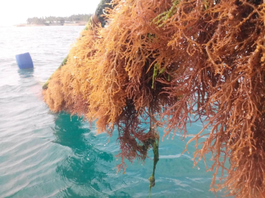
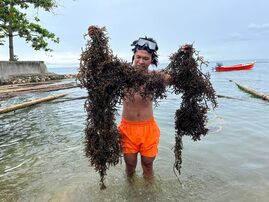
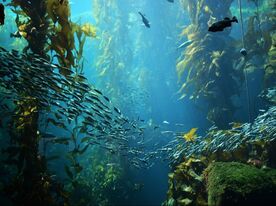
Our latest project is based on the realization that seaweed is one of the fastest growing plants on the Earth, and it takes in more C02 than almost any other plant on Earth. Unfortunately, the tropical and subtropical oceans are becoming too warm to sustain seaweed, which means that the Earth could lose one of its highest exporters of Co2 and creators of oxygen. So we created Marine Permaculture which works by either bringing the cooler waters to the seaweed, or lowering the seaweed to the cooler water below. Besides helping seaweed grow, it has the wonderful side effects of creating habitat for marine creatures, creating income for ocean communities while also sequestering Co2. Take a look at the following information to learn more.
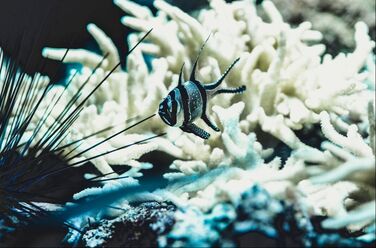
Some of our other solutions to help the planet are reversing coral bleaching - and we found a way to sequester C02, improve soil and fix a sewage problem all using Biochar. We also figured out how to improve the air quality in India with Charvesting, as well as exploring azolla as one of the many solutions to lowering CO2 in the atmosphere.
Our latest project is based on the realization that seaweed is one of the fastest growing plants on the Earth, and it takes in more C02 than almost any other plant on Earth. Unfortunately, the tropical and subtropical oceans are becoming too warm to sustain seaweed, which means that the Earth could lose one of its highest exporters of Co2 and creators of oxygen. So we created Marine Permaculture which works by either bringing the cooler waters to the seaweed, or lowering the seaweed to the cooler water below. Besides helping seaweed grow, it has the wonderful side effects of creating habitat for marine creatures, creating income for ocean communities while also sequestering Co2. Take a look at the following information to learn more.
Some of our other solutions to help the planet are reversing coral bleaching - and we found a way to sequester C02, improve soil and fix a sewage problem all using Biochar. We also figured out how to improve the air quality in India with Charvesting, as well as exploring azolla as one of the many solutions to lowering CO2 in the atmosphere.
SOLUTIONS for the Planet |

MARINE Permacuture:
REVERSING
|

BIOCHAR Sequestration by land |
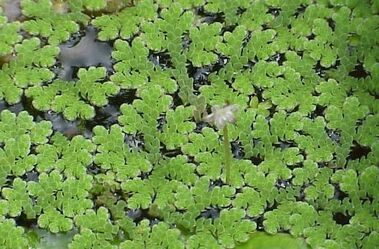
AZOLLA
|
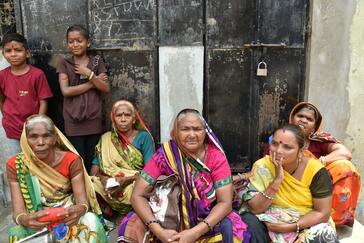
CHARVESTING
|
INFORMATION
In the NewsWant to read about us in the news?
This is the place. |

Brags, Updates & Newsletters |

In the Movies, TV, Videos, Podcasts and BooksSee/listen/read a few of our interviews, podcasts, talks, videos and books that have mentioned us.
|